



How can we achieve a return on investment (ROI) with SAP CCM?
Haven’t you also found yourself asking where the real value of migrating to SAP S/4 HANA actually lies? Why are such significant, multi-million investments made in SAP consulting services and IT projects—and how does this ultimately translate into a measurable return on investment (ROI) for our organization?
The common answers to these questions are usually rather unsatisfactory:
- The existing SAP system is reaching the end of maintenance and will no longer be supported by the software vendor.
- All functional enhancements are provided exclusively via SAP Fiori, the new web-based user interface.
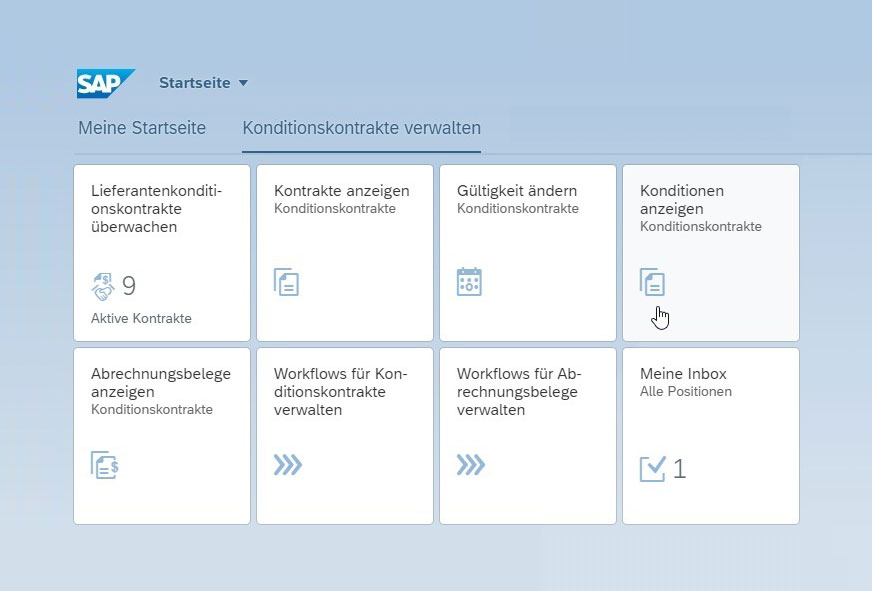
- In SAP S/4 HANA, key functions like SD customer bonus processing are exclusively handled through Condition Contract Management (CCM).
But is that really all?
The good news: no—there is significantly more potential. The bad news: this potential is neither actively communicated by SAP itself nor by the usual consulting firms or traditional IT projects.
Let's start with the good news
SAP S/4 HANA enables the implementation of new and innovative business models—often without any custom ABAP development, relying instead purely on configuration. At the same time, it allows the creation of truly digital workplaces, with user interfaces that are as intuitive as modern smartphone apps. Above all, SAP CCM offers the opportunity to realize substantial and sustainable cash-back potential—often on a scale that exceeds the implementation costs many times over.
How does this work?
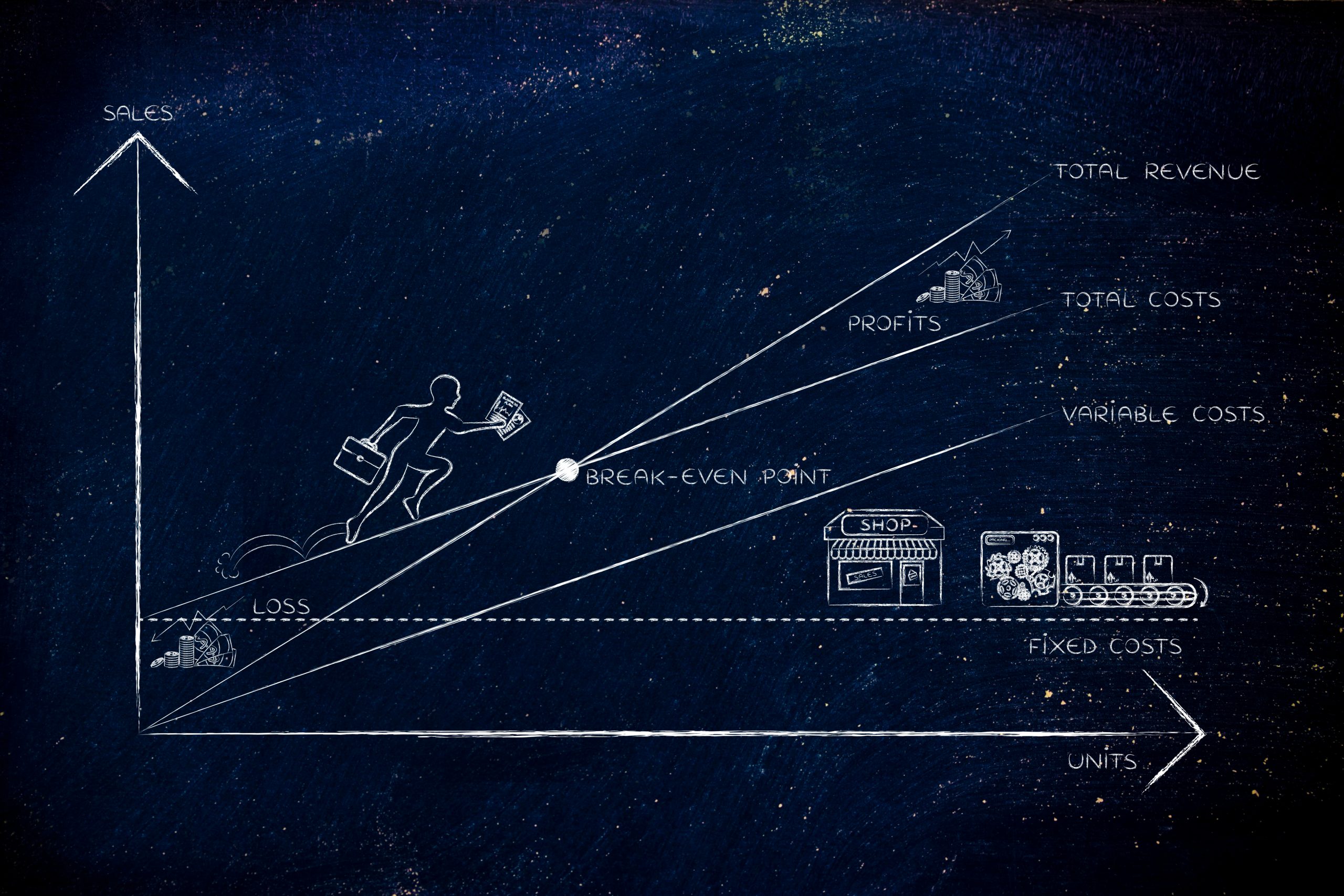
Simply put, so-called condition contracts are used to settle retroactive conditions at defined points in time and for specific business events. A simple example illustrates this:
Ein Einkäufer und ein Verkäufer vereinbaren, dass bei einem Jahresumsatz von 100 Euro für ein Produkt ein nachträglicher Rabatt von 5 Prozent gewährt wird. Das ergibt 5,- Euro Rückvergütung am Periodenende.
In practice, however, this process depends on many factors: purchasing strategy, product structure, market conditions, competition—and above all on an IT system that can automate the entire flow from data collection through to legally compliant settlement. This is exactly where the strength of SAP CCM lies. Because the system fully and transparently supports these processes. What is often missing, however, is the consulting expertise to properly identify this potential and translate it into a meaningful implementation approach.
Which brings us back to the bad news.
In many industries—except for retail—retroactive conditions are rarely used. In manufacturing, where margins in direct material procurement are tight, this is understandable. However, beyond production materials—such as spare parts, services, or catalog purchases—there is enormous untapped potential.
A practical example:
A mid-sized manufacturing company with annual revenue of around €3 billion and a purchasing volume of approximately €600 million for services, spare parts, and other non-production-related materials. If no retroactive conditions are applied in these areas—whether due to a lack of technical support or insufficient consulting expertise—significant potential rebates remain unrealized. Based on experience with SAP CCM, between 3 and 10 percent of the purchasing volume can typically be realized. Using a conservative average of 5 percent, this amounts to roughly €30 million per year—on a recurring basis.
Because this aspect is often not planned as part of many SAP S/4 HANA migration projects, it is frequently not implemented at all. Until a possible later introduction, significant amounts are lost year after year—if it happens at all. Neither IT departments nor consulting firms actively drive this topic, as the focus is often placed on other project areas that tend to be more margin-intensive for consulting providers.
Conclusion:
With the introduction of SAP S/4 HANA, a true return on investment becomes possible. The targeted use of SAP CCM in procurement can be a key success factor—though not the only one. We therefore recommend focusing on this potential at an early stage and strategically integrating it into your transformation projects.